
Delhi
Giving You The Best Services Experiences
Delhi, the capital city of India, is a vibrant metropolis that blends ancient history with modernity. As one of the oldest cities in the world, Delhi is a living tapestry of diverse cultures, rich traditions, and historical landmarks. It is divided into two distinct parts:
- Old Delhi: Known for its historical sites, bustling bazaars, and narrow lanes, Old Delhi offers a glimpse into the city’s Mughal past. Famous landmarks include the Red Fort, Jama Masjid, and Chandni Chowk, which are popular for their architectural grandeur and cultural significance.
- New Delhi: Designed by British architect Edwin Lutyens in the early 20th century, New Delhi is characterized by its wide boulevards, government buildings, and lush green parks. It serves as the political and administrative center of India, housing important institutions such as the Parliament House, Rashtrapati Bhavan (Presidential Residence), and India Gate.
Delhi is a melting pot of languages, cuisines, and traditions, offering something for every visitor. From ancient monuments and museums to modern shopping malls and vibrant nightlife, Delhi provides a unique blend of the old and the new. The city is also a gateway to exploring northern India, with excellent connectivity by road, rail, and air to various parts of the country.
Best Time to Visit Delhi:-
- The Best time to visit Delhias per tripgyani is during the winter months from October to March. Here’s why:
- Pleasant Weather: The weather during these months is cool and comfortable, making it ideal for sightseeing and outdoor activities. Temperatures typically range from 8°C to 25°C (46°F to 77°F), which is perfect for exploring Delhi’s attractions.
- Festive Season: This period is also marked by several major festivals like Diwali, Dussehra, and Holi. Visiting during these times allows you to experience the vibrant culture and festivities of Delhi.
- Clear Skies: Unlike the monsoon season, winter months usually have clear skies, enhancing the experience of visiting outdoor monuments like India Gate, Red Fort, and Qutub Minar.
- Fewer Heatwaves: Avoiding the extreme heat of Delhi’s summer months (April to June) is crucial, as temperatures can soar above 40°C (104°F), making travel uncomfortable.

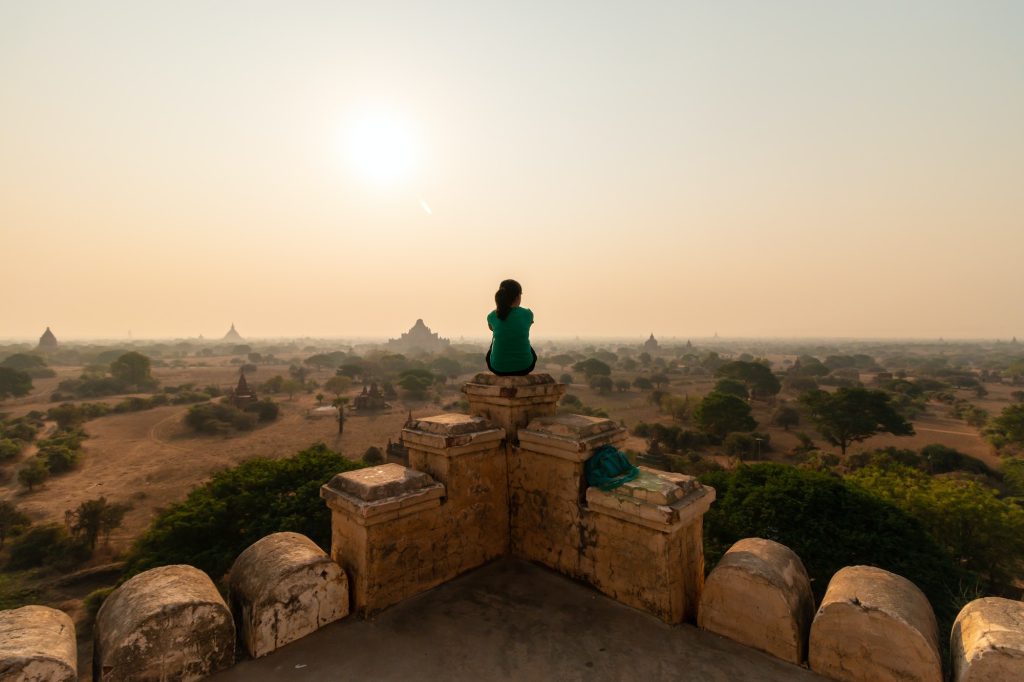
The least recommended time to visit Delhi:-
The least recommended time to visit Delhi during the summer months from April to June and the monsoon season from July to September. Here’s why:
Summer (April to June):
- Extreme Heat: Delhi experiences scorching temperatures during these months, often exceeding 40°C (104°F) and occasionally reaching up to 45°C (113°F). The intense heat can make sightseeing and outdoor activities uncomfortable and potentially unsafe.
Monsoon (July to September):
- Heavy Rainfall: The monsoon season brings heavy rains, leading to waterlogging and traffic congestion in many parts of the city. This can disrupt travel plans and make it difficult to visit outdoor attractions.
- High Humidity: The humidity levels during the monsoon season can be very high, making the weather feel hotter and more uncomfortable.
Top Tourist Places to see in Delhi:-
1.Red Fort (Lal Qila):-
The Red Fort, also known as Lal Qila, is a historic fortification in Delhi, India. Constructed in the 17th century by Mughal Emperor Shah Jahan, it served as the main residence of the Mughal emperors for nearly 200 years, until the British colonial era. The fort is a symbol of India’s rich history and is an outstanding example of Mughal architecture, combining Persian, Timurid, and Indian architectural styles. It was declared a UNESCO World Heritage Site in 2007.
Architecture:
- Walls and Gates: The Red Fort is named for its massive enclosing walls of red sandstone. The walls are about 2.5 kilometers in perimeter and vary in height from 18 meters on the river side to 33 meters on the city side.
- Main Gates: The fort has two main gates – the Lahore Gate and the Delhi Gate. The Lahore Gate is the main entrance and leads to a covered bazaar called the Chatta Chowk.
- Palaces and Pavilions: The Red Fort complex contains several significant structures:
- Diwan-i-Aam: The Hall of Public Audience, where the emperor would listen to the grievances of the common people.
- Diwan-i-Khas: The Hall of Private Audience, used for meetings with courtiers and state guests. This hall once housed the famous Peacock Throne.
- Rang Mahal: The palace of the royal ladies, adorned with beautiful floral decorations and marble.
- Mumtaz Mahal: One of the main palaces in the fort, now part of the Red Fort Archaeological Museum.
- Khas Mahal: The private residence of the emperor, with a special chamber called the “Shah Burj.”
- Gardens: The Red Fort features the Hayat Bakhsh Bagh, a beautiful garden with channels of water that used to run through the fort, enhancing its beauty and serving as a cooling system.
Visiting Red fort:-
Location: Netaji Subhash Marg, Chandni Chowk, New Delhi.
Visiting Hours: Open daily from 9:30 AM to 4:30 PM, except on Mondays when it is closed.
Tickets:
- Indian Citizens: ₹35
- Foreign Tourists: ₹500
- Children (below 15 years): Free
Sound and Light Show: The Red Fort hosts a spectacular sound and light show in the evening, depicting its history and the lives of Mughal emperors.
Show Timings: The timings vary seasonally; usually around 6 PM to 7 PM for the Hindi show and 7:30 PM to 8:30 PM for the English show.
Tickets for Show: ₹80 (Adults), ₹30 (Children)
How to Reach:
- By Metro: The nearest metro station is Chandni Chowk on the Yellow Line, about a 10-minute walk from the fort.
- By Bus: Several buses run by Delhi Transport Corporation (DTC) stop near the Red Fort.
- By Taxi/Auto-rickshaw: Easily available from any part of Delhi.
2. India Gate:-
India Gate is a prominent war memorial located in the heart of New Delhi. Completed in 1931, it honors the Indian soldiers who died during World War I and the Afghan Wars. Designed by Sir Edwin Lutyens, the monument stands 42 meters tall and features elegant red sandstone and granite architecture. An eternal flame, known as “Amar Jawan Jyoti,” burns at its base in remembrance of soldiers who died in the Indo-Pakistani War of 1971. Surrounded by lush lawns, India Gate is a popular spot for both tourists and locals, offering a peaceful place for reflection and leisurely walks.
Location:
Situated in the heart of New Delhi, India Gate is located at Rajpath, which is one of the main roads in the city.
Architecture:
- Structure: The monument is an imposing archway made of red sandstone and granite. It stands 42 meters (138 feet) tall and 9.1 meters (30 feet) wide.
- Inscriptions: The names of over 13,000 soldiers who died in World War I and the Third Anglo-Afghan War are inscribed on the walls of the monument. The names are engraved in both English and Hindi.
Visiting Hours:
- Open: India Gate is open to visitors throughout the day and night.
- Best Time to Visit: Early morning and late evening are ideal times to visit, as the monument is beautifully lit and the surroundings are more pleasant.
Entry Fee:
- Tickets: There is no entry fee to visit India Gate.
How to Reach India Gate:
- By Metro:
- The nearest metro station to India Gate is Central Secretariat on the Yellow and Violet Lines. From there, it’s about a 2 km walk or a short auto-rickshaw ride to the monument.
- By Bus:
- Delhi Transport Corporation (DTC) buses regularly run to India Gate from various parts of the city. Look for buses that have stops at India Gate or nearby landmarks like Rajpath or Barakhamba Road.
- By Auto-Rickshaw or Taxi:
- Auto-rickshaws and taxis are readily available throughout Delhi. You can ask the driver to take you directly to India Gate. This is a convenient option if you are coming from a nearby location.
3. Qutub Minar:-
Qutub Minar, located in Delhi, India, is a UNESCO World Heritage Site and one of the tallest brick minarets in the world. This magnificent structure stands as a symbol of India’s rich history and architectural prowess, blending Islamic and Hindu elements in its design.
Location of Qutub Minar:
Qutub Minar is located in the Mehrauli area of South Delhi, India. The exact address is:
Architectural Features:
- Height: Qutub Minar is approximately 73 meters (240 feet) tall, with five distinct stories, each marked by a projecting balcony.
- Materials: The tower is built of red sandstone and marble, with intricate carvings and verses from the Quran inscribed on its surface.
Design:
The base diameter is 14.3 meters, tapering to 2.7 meters at the top. The first three stories are made of red sandstone, while the fourth and fifth stories are constructed with marble and sandstone.
Style: The minaret is a fine example of Indo-Islamic architecture, featuring intricate carvings, fluted columns, and geometric patterns influenced by the local Indian styles and Islamic traditions.
Visitor Information:
Timings: The Qutub Minar complex is open daily from sunrise to sunset (approximately 7:00 AM to 5:00 PM).
Tickets:
- Indian Citizens: ₹30
- Foreign Tourists: ₹500
- Children (below 15 years): Free
Accessibility: The complex is accessible to all, but visitors should note that climbing the minaret is not allowed due to safety concerns.
Best Time to Visit: The best time to visit Qutub Minar is during the winter months (October to March) when the weather is pleasant.
How to Reach:
By Metro:
- Delhi Metro is the most efficient and economical way to reach Qutub Minar.
- Nearest Metro Station: Qutub Minar Metro Station on the Yellow Line.
- Directions from the Metro Station: After exiting the metro station, you can take an auto-rickshaw or a cycle rickshaw to reach the Qutub Minar complex. It is about 3 km away from the station.
By Bus:
- Delhi Transport Corporation (DTC) buses frequently run to Qutub Minar from various parts of the city.
- Nearest Bus Stop: Qutub Minar Bus Stop, located close to the complex.
- You can take any bus heading towards Mehrauli or Saket and ask the conductor to drop you at Qutub Minar.
Humayun Tomb:-
Humayun’s Tomb is a UNESCO World Heritage Site and a major tourist attraction in Delhi, India. It is the tomb of the Mughal Emperor Humayun, constructed in the 16th century. The tomb is renowned for its stunning Mughal architecture, which later inspired the design of the Taj Mahal.
Location of Humayun’s Tomb:
Humayun’s Tomb is located in Nizamuddin East, Delhi, near the Dina-panah citadel, also known as Purana Qila (Old Fort).
Architecture:
- Design: The tomb combines Persian and Indian architectural styles, featuring a double dome and a high central arch, set on a massive platform.
- Materials: Constructed primarily from red sandstone, with white and black marble inlays, the tomb is set in the center of a 30-acre garden laid out in a charbagh (four-part) style with pathways and water channels.
- Layout: The structure sits at the center of the garden, with the tomb itself placed on a raised plinth. The tomb is octagonal in shape with a high central dome and is surrounded by smaller, arched niches and corridors.
Visiting Information:
Visiting Hours: The tomb is open to visitors from sunrise to sunset (approximately 6:00 AM to 6:00 PM). It is open every day of the week.
Entry Fees:
- Indian Citizens: ₹30
- Foreign Tourists: ₹500
- Children (below 15 years): Free
Best Time to Visit: The best time to visit Humayun’s Tomb is during the cooler months from October to March. Early mornings or late afternoons are ideal to avoid crowds and experience the monument in pleasant weather.
Guided Tours: Guided tours are available at the site, which can provide deeper insights into the historical and architectural significance of the tomb.
How to reach Humayun Tomb:
- By Metro: The nearest metro station is JLN Stadium (Violet Line) or Jangpura Metro Station (Pink Line), from where you can take an auto-rickshaw or taxi.
- By Road: The site is well-connected by road, with ample parking space available for private vehicles and taxis.
Photography:
- Photography is allowed inside the complex, but the use of tripods is restricted. The site offers beautiful photographic opportunities, especially during sunrise and sunset when the red sandstone glows warmly.
Tips for Visitors:
- Carry Water: It’s advisable to carry a water bottle, especially in the warmer months, as it can get hot walking around the garden complex.
- Wear Comfortable Footwear: The site involves a fair amount of walking, so comfortable footwear is recommended.